

In the rigorous and technically exacting landscape of industrial cereal processing, the distinction between a premium flour extraction and a mediocre yield is fundamentally rooted in a singular, pivotal variable: the mastery of moisture. Known within the trade as dampening or conditioning this phase serves as the “silent architect” of the final product’s integrity. Far from being a mere logistical precursor to grinding, dampening is a sophisticated science of biophysical optimization and temporal resting a metamorphosis that governs everything from mechanical energy expenditure to the ultimate enzymatic vitality of the loaf.
Historically viewed as a cumbersome bottleneck, the process is currently being revolutionized by a suite of disruptive technologies. From ultrasonic resonance to microwave radiation, the global milling sector is navigating a “moisture revolution” aimed at maximizing throughput while meticulously preserving the delicate biochemical composition of the wheat berry.
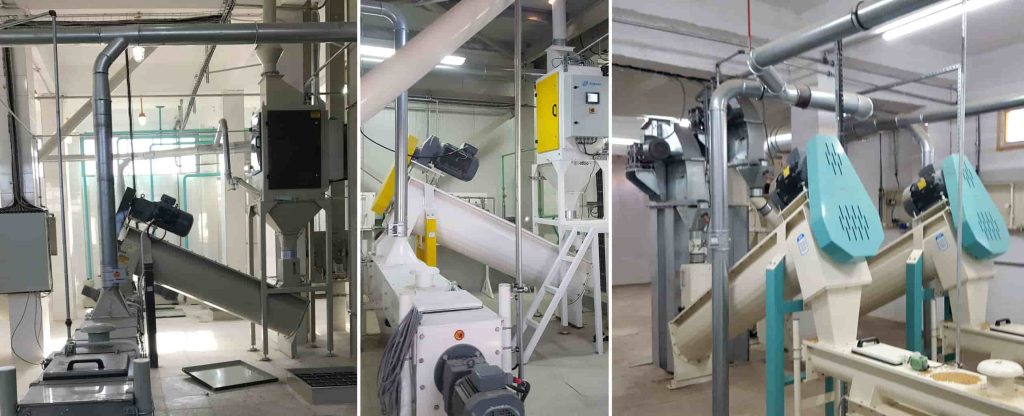
The Biophysics of Hydration: Why Conditioning is Paramount
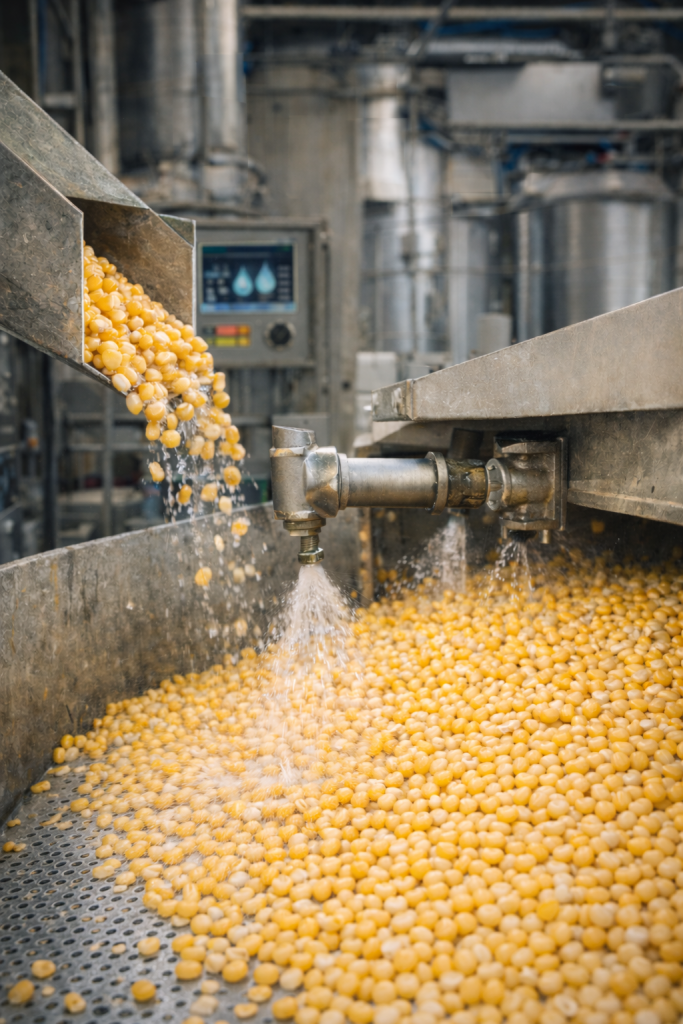
The fundamental objective of dampening is the strategic manipulation of the grain’s physical and structural properties. By calibrating the kernel to a precise “optimum water level” typically ranging between 15% and 17% millers facilitate a profound shift in the grain’s mechanical behavior.
Conditioning serves two primary, indispensable mechanical objectives:
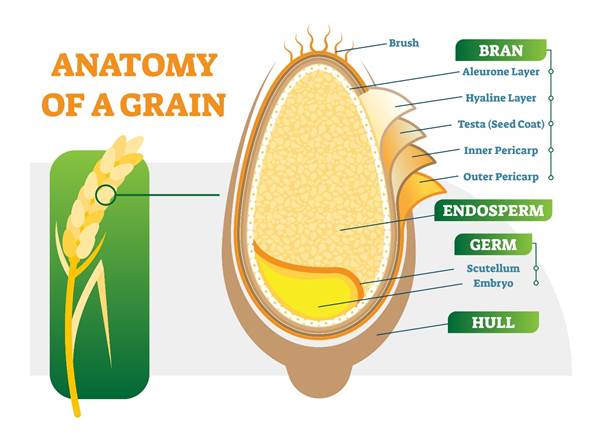
- Fracture Toughness of the Bran: Through controlled hydration, the pericarp (the outer husk) is rendered leathery and resilient. This elasticity ensures that during the break rolls, the bran is exfoliated in broad, clean flakes rather than fracturing into microscopic “bran powder.” This prevention of fine bran contamination is the primary determinant of a flour’s “ash content” and overall purity.
- Mellowing of the Endosperm: Conversely, the starchy interior of the grain—the endosperm—must be softened. Water penetration disrupts the protein-starch matrix, increasing its friability. This reduction in hardness ensures the endosperm is easily reduced to flour, significantly lowering the kilowatt-hours required by the roller mills and preventing “starch damage” caused by excessive heat and pressure.
As established by foundational research, the efficacy of this conditioning relies on a delicate triad: the volume of applied water, the elevation of temperature, and the duration of the resting period.
The Thermal Evolution: From Ambient to Accelerated Methods
For generations, the industry standard was Conventional (Cold) Dampening, performed at ambient temperatures. While reliable, this method is a test of patience; water migration from the surface to the core can take anywhere from 24 to 72 hours. In a modern high-capacity mill, this prolonged lead time necessitates vast silo capacities, inflating capital expenditure, increasing the mill’s physical footprint, and complicating maintenance protocols.
To circumvent these inefficiencies, the sector has embraced thermal acceleration:
- Warm and Hot Conditioning: By elevating temperatures to between 30°C and 46°C, resting periods can be reduced from days to mere hours. Thermal energy expands the grain and reduces the viscosity of the water, allowing it to move through the grain’s capillary pathways with significantly greater velocity.
- Vapor Integration: Particularly prevalent in advanced European facilities, vapor dampening utilizes steam to achieve deep moisture penetration in as little as 20 to 30 seconds. This method is not merely about speed; the latent heat of the steam facilitates a more uniform moisture distribution, which has been empirically shown to enhance the efficiency of “patent flour” production—the highest commercial grade.
A Technical Caveat: Precision is paramount. If temperatures exceed 60°C, the miller risks the irreversible denaturation of gluten proteins and the impairment of alpha-amylase activity. In the science of milling, thermal control is as vital as the hydration itself.
Technological Disruptions: Microwaves and Ultrasound
As we look toward the horizon of the 21st-century mill, two “disruptive” modalities are transitioning from research laboratories to industrial-scale implementation:
1. Microwave-Assisted Conditioning
Empirical evidence suggests that microwave dampening facilitates a superior internal separation between the husk and the endosperm. By heating the water molecules within the grain simultaneously, it creates a subtle pressure differential that “loosens” the bran from the starch. Studies indicate that microwave radiation can bolster flour yield by up to 10% while simultaneously reducing ash content. In the context of global trade, where a 1% margin in yield can translate to millions in annual revenue, these advancements are transformative.
2. Ultrasonic Infusion
Ultrasound technology, long utilized in high-precision medical and chemical sectors, is now being adapted for wheat wetting. By employing high-frequency vibrations, millers can neutralize the surface tension of water molecules, effectively “forcing” moisture into the hardest wheat varieties that are traditionally resistant to hydration. This technology promises to collapse the traditional two-stage conditioning process into a singular, high-speed operation, drastically reducing the need for extensive silo storage.
The Macroeconomic Imperative: Efficiency as Strategy
The transition toward advanced conditioning is motivated as much by fiscal strategy as it is by cereal chemistry. Modern systems like Vibronet (vibration mixing) significantly reduce a mill’s physical footprint. By achieving rapid absorption through vibration energy, these systems ensure the grain is encircled by a microscopic film of water, ensuring equal penetration into the outer layers of the endosperm.
Comparative Efficacy of Conditioning Modalities
| Methodology | Average Resting Duration | Energy Efficiency | Extraction Quality |
| Cold | 24–72 Hours | Low | Standard |
| Warm/Hot | 1–24 Hours | Moderate | Enhanced |
| Vapor | < 1 Hour | High | Premium |
| Microwave | Minutes | High | Maximum |
Conclusion: The Horizon of Flour Production
Dampening has transcended its origins as a preliminary processing step to become the cornerstone of a profitable, modern milling enterprise. As global demand for premium, high-vitality flour intensifies, the capacity to manipulate grain at the molecular level through thermal, vapor, and vibrational energy will distinguish the industry’s leaders. For the modern miller, the objective remains clear: to master the architecture of moisture, transforming the humble grain into the “white gold” of the global food economy.