


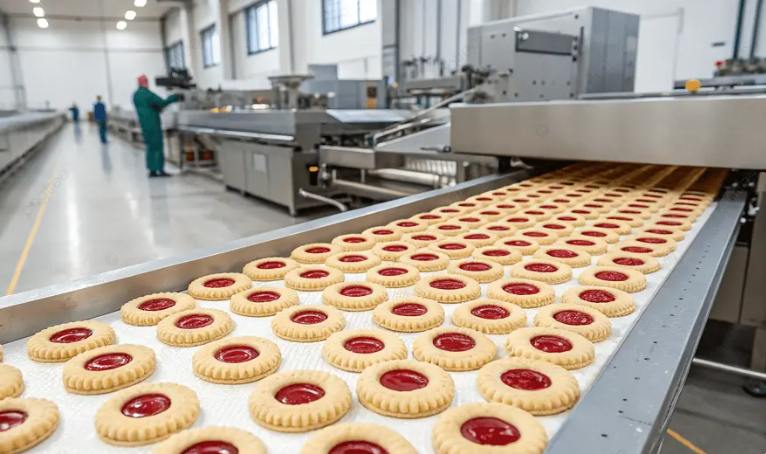


In the early hours of the day what many would call alpha time; clarity has a way of surfacing.
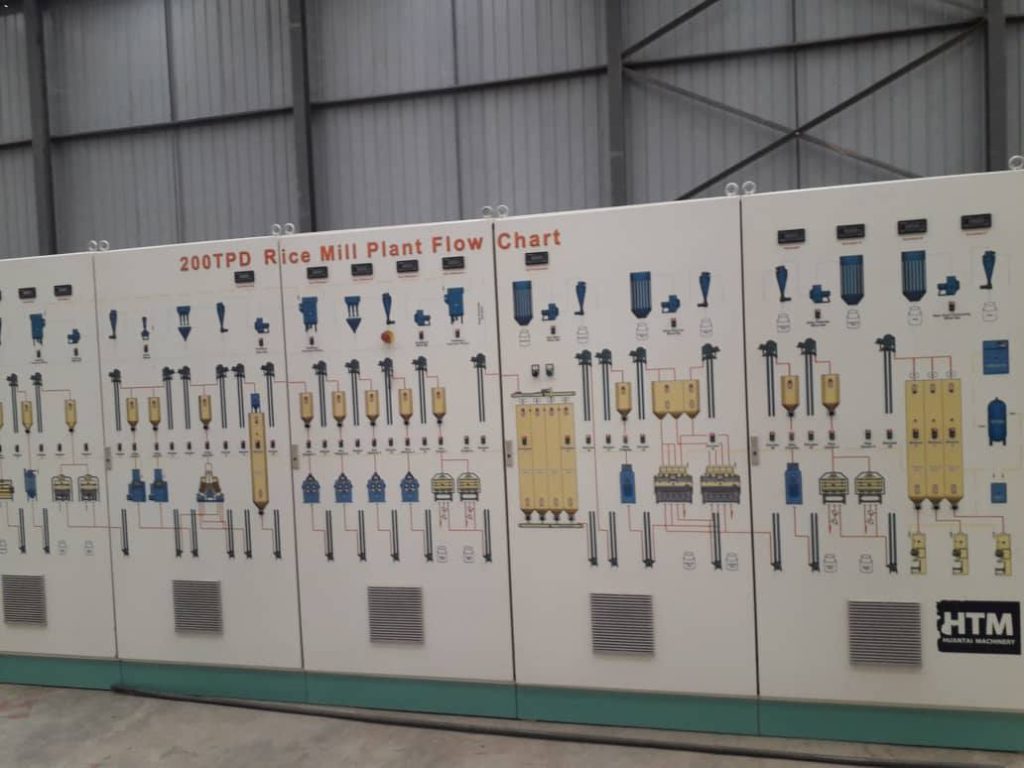
It is in these quiet, uninterrupted moments that one begins to question not just what we produce but how we think, learn and evolve within production systems.
For emerging and industrializing economies, this reflection is no longer philosophical it is strategic.
Beyond Speed: There is Understanding the True Value of Efficiency.
Decades on, industries have equated progress with speed faster machines, faster throughput and faster delivery cycles. Well, turns out speed, in isolation, is a blunt instrument.
The real question is:
What is the value of speed without intelligence?
Modern industrial systems must move beyond mechanical efficiency into cognitive efficiency where systems are not only fast but aware, adaptive and continuously improving to respond to relatable economy and global innovations.
This is where automation begins to shift from being a tool to becoming a thinking partner in production ecosystems.
Energy, Awareness and the Human Factor in Industrial Systems
Every production system is ultimately powered by human intentional decision-making, oversight and interpretation.
Yet, there is a growing disconnect:
- Operators are trained to react, not to interpret
- Managers are equipped to monitor, not to anticipate
- Systems are built to execute, not to learn
To bridge this gap, industry must begin to recognize a new variable:
Human awareness as a measurable and trainable asset within production systems
When individuals understand their role not just as operators but as interpreters of data and energy within systems, performance shifts dramatically.
This is the foundation of next-generation industrial training.
From Static Knowledge to Continuous Learning Systems!
Traditional industrial training follows a linear model:
Train → Deploy → Maintain
In a digital and automated environment, this model is obsolete.
Instead, we are entering an era of:
Learn → Apply → Measure → Adapt → Re-learn
This is the essence of continuous knowledge systems where:
- Data feeds learning
- Learning improves decisions
- Decisions optimize systems
- Systems generate new data
And the cycle continues.
Companies that master this loop will not just compete they will dominate their sectors.
Technology as an Extension of Knowledge
Automation, digitalization and AI are often discussed as external solutions, when in reality, they are extensions of human knowledge systems.
A SCADA system is not just a monitoring tool it is a real-time knowledge interface.
A predictive maintenance model is not just analytics; it is institutional memory in action.
A digital twin is not just simulation it is foresight embedded in operations
When technology is positioned this way, investment decisions shift:
From:
- “What does this system cost?”
To:
- “What knowledge capability does this system unlock?”
The Rise of Knowledge-Driven Industrial Companies
The most successful industrial companies of the next decade will not be defined by:
- Size of plant
- Volume of output
- Number of machines
They will be defined by:
Their ability to convert data into insight, insight into action and action into sustained value
These are knowledge companies operating within industrial environments.
They will:
- Train managers to think in systems, not silos
- Equip teams with tools that translate data into decisions
- Build cultures of continuous improvement rooted in real-time intelligence
- Align human capability with machine precision
A Practical Imperative for Industry Leaders
For Africa and Zambia in particular this shift is not optional.
As industries expand across the country:
- Milling and grain processing
- Sugar production
- Food and beverage manufacturing
- Mining and heavy processing
The gap between traditional operations and intelligent operations will define competitiveness.
The question is no longer:
Should we adopt automation?
But rather:
How do we build people and systems that can think, adapt, and evolve together?
Building Systems That Think
Industrial transformation is no longer just about infrastructure it is about intelligence.
It is about:
- Training people to understand systems deeply
- Designing systems that learn continuously
- Integrating technology as a living knowledge framework
In the end:
The factories that win will not be the fastest. They will be the most aware.